Table of Contents
How Does the LinkedIn Algorithm Work?
LinkedIn Algorithm Ranking Signals Explained
How the 2026 LinkedIn Algorithm Affects Your Content Strategy
LinkedIn Reach in 2026
Actionable LinkedIn Content Strategy for B2B Brands in 2026
Optimize Your LinkedIn Profile to Align with the Algorithm
Role of LinkedIn Ads in Navigating Organic Algorithm Limits
Tools & Metrics to Monitor Your LinkedIn Performance
Turn LinkedIn Visibility Into Qualified Sales Conversations
Conclusion
Frequently Asked Questions
Modified On :
July 31, 2026
Key Takeaways
- The algorithm has a three-step distribution pipeline - most marketers skip step one and wonder why reach tanks.
- Dwell time and engagement velocity matter more than likes - here's what that actually means for your posts.
- Personal profiles get more reach than company pages. This is how smart B2B teams use that gap.
- "Low Exposure Mode" is a real algorithm penalty state. Learn how to spot it and get out.
- The right posting time for B2B on LinkedIn isn't what most guides say - the data tells a different story.
If you’ve been scratching your head wondering why your once high-performing LinkedIn posts are suddenly tanking in reach—or why the same content gets wildly different results week to week—you’re not alone.
The LinkedIn algorithm has undergone major changes in 2025, and it’s reshaping how B2B marketers show up, get seen, and generate leads on the platform.
For anyone using LinkedIn as part of their B2B marketing or social selling strategy, understanding how the algorithm now works is essential.
From the type of content that gets prioritized to how engagement actually drives visibility, LinkedIn has shifted its focus toward more authentic, high-value interactions.
Cleverly’s manages LinkedIn campaigns across thousands of B2B outreach programs, so we evaluate algorithm advice through a commercial lens. Reach is useful, but the stronger measure is whether the right decision-makers view the profile, join the conversation, and move into a qualified sales discussion.
In this blog, we’ll break down what’s changed, why it matters, and exactly how to adjust your LinkedIn content strategy to stay ahead.
Let’s dive in!
How Does the LinkedIn Algorithm Work?
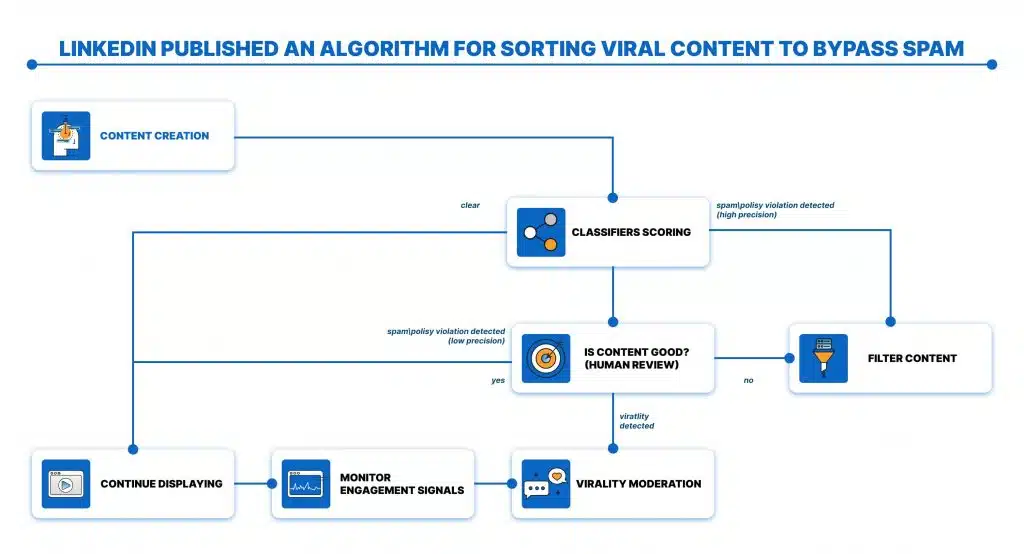
LinkedIn’s Feed is personalized for each member. Two people can follow the same creator and still see different posts because their profiles, interests, connections, and previous behavior differ.
According to LinkedIn’s explanation of Feed relevance, its systems assess three broad signal groups: identity, content, and activity. The system uses those signals to select and order updates that appear most relevant to the person viewing the Feed.
1. LinkedIn Identifies Potential Feed Content
A member’s Feed can include posts from connections, followed people, company pages, groups, and accounts outside the member’s network. Content from outside the network may appear as a suggested post when LinkedIn predicts that it is professionally relevant.
LinkedIn does not distribute every post to every follower. The available content is filtered and ranked for each viewer.
2. LinkedIn Checks Content Quality and Safety
Content that violates LinkedIn’s policies can be removed or restricted. Other posts may remain online but receive limited distribution when they appear manipulative, repetitive, misleading, or irrelevant.
LinkedIn specifically identifies artificial reaction polls, chain-letter requests, repetitive comments, and misleading claims about platform features as spam behaviors. (LinkedIn’s spam policy)
3. LinkedIn Predicts Personal Relevance
The Feed assesses whether a post is likely to matter to a particular member. Signals can include:
- The member’s job, industry, skills, location, and professional background
- The post’s topic, language, format, recency, and tagged entities
- Whether the author and viewer follow or interact with one another
- Topics and creators the viewer previously engaged with
- How long the viewer spends reading or watching similar content
- Whether other members hide, report, save, share, or discuss the post
This is why a niche post can perform well without going viral. It only needs to reach the professionals most likely to value and discuss it.
4. LinkedIn Ranks and Re-ranks the Feed
Feed ranking continues as members interact with the platform. Reading a post, opening its comments, visiting the author’s profile, hiding an update, or engaging with a related topic can influence what appears next.
Recency still matters, but it is not the only factor. A useful post can remain visible when LinkedIn continues to find relevant readers for it. A new post can disappear quickly when the people who see it consistently scroll past.
What Changed in the LinkedIn Algorithm in 2026?
If you’re in LinkedIn B2B marketing, chances are you've noticed some shifts in how your content is performing this year.
That’s not your imagination—the LinkedIn algo has evolved in 2026, and these changes are reshaping the way content surfaces, spreads, and engages on the platform.
So, what’s new?
Engagement vs. Connection Depth: The Balance Has Shifted
For years, the LinkedIn algorithm rewarded content based heavily on surface-level engagement—likes, shares, comments.
While those signals still matter, the 2026 update now places greater emphasis on the depth of the relationship between the content creator and the viewer.
In short, content from someone you're meaningfully connected with (think: recent conversations, mutual interactions, shared activity) is more likely to show up in your feed than viral posts from distant connections.
This change reflects LinkedIn's ongoing push to make the platform more authentic and relevant—especially for B2B professionals looking to cut through the noise.
User Intent is in the Driver’s Seat
Another major shift in the LinkedIn algo is how it interprets user intent. LinkedIn is now using behavioral signals—like what types of content you search for, what you save, and even what you ignore—to curate a more personalized feed.
For marketers, this means your content strategy needs to move beyond vanity metrics. It’s about creating content that matches the professional interests, goals, and curiosity of your audience.
Think insightful posts, niche takes, industry deep-dives—things that make your audience pause and think.
Dwell Time & Meaningful Interactions Are Now Critical
Here's a buzzword you’ll want to keep in your LinkedIn strategy toolkit for 2026: .
That’s the amount of time someone spends looking at your post, and it's a major ranking signal now.
The logic is simple: If people spend more time with your content, it’s probably more valuable. So carousels, thought leadership posts, and videos that spark deeper engagement are getting more visibility than ever.
But here’s the kicker, meaningful interactions now weigh more than passive ones.
The algorithm is trained to spot thoughtful comments, ongoing conversations, and shares that include context. Just dropping an emoji in the comments?
That won’t cut it anymore.
📊 Beat the Algorithm, Get More Leads
We leverage what the LinkedIn algorithm loves to put your profile in front of decision-makers—organically. Let us do the heavy lifting.
LinkedIn Algorithm Ranking Signals Explained
LinkedIn does not publish the weight assigned to each signal. Any source claiming that one comment equals a precise number of likes is speculating unless LinkedIn confirms it.
The table below separates documented signal categories from common interpretations:
The strongest practical combination is clear subject relevance, credible expertise, and meaningful interaction from people who belong to the intended audience.
Why B2B Marketers Need to Care About LinkedIn’s Algorithm
If you’re serious about LinkedIn B2B lead generation, understanding how the platform’s algorithm works is essential.
In 2026, LinkedIn is more than a networking tool; it’s a dynamic ecosystem where your visibility, engagement, and even sales performance are directly influenced by how well you align with the platform’s algorithmic preferences.
Organic Reach Isn’t What It Used to Be
Gone are the days when simply posting consistently guaranteed visibility.
Today, the LinkedIn algorithm determines who sees your content, when, and how often. This means that even the most insightful post can fall flat if it doesn’t align with the signals LinkedIn is prioritizing.
For B2B marketers, this has real consequences.
Your organic reach now depends on things like audience engagement patterns, dwell time, and the relevance of your content to the user's intent.
The better your content fits within these algorithmic cues, the more likely it is to land in front of decision-makers and influencers in your industry.
The Algorithm Influences Buying Decisions
The algorithm doesn’t just shape content visibility—it shapes perception.
In B2B spaces, LinkedIn is often the first touchpoint in the buyer journey. Before a buyer hops on a sales call or fills out a LinkedIn lead form, they’re likely lurking, reading your posts, checking your company page, and evaluating your thought leadership.
If your content isn’t being surfaced because the algorithm doesn't find it valuable or engaging, you’re missing out on early-stage influence. In other words, your visibility on LinkedIn can make or break your place in the consideration set.
Social Selling Lives (or Dies) by Visibility
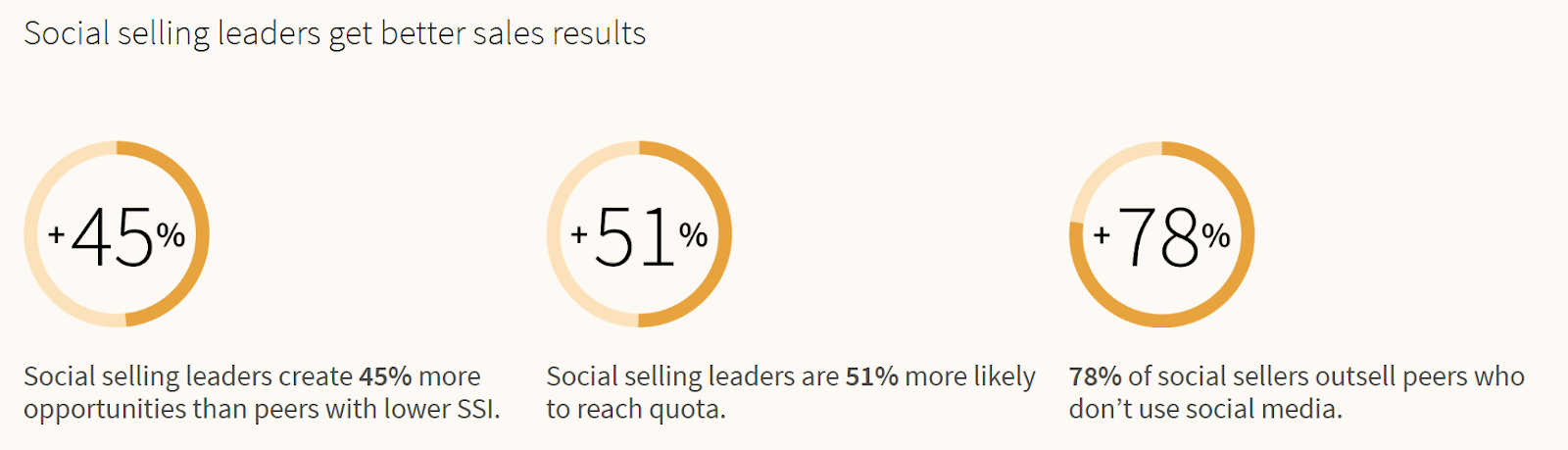
In 2026, LinkedIn social selling is more reliant than ever on how well you play to the algorithm.
It’s not just about having a polished profile or reaching out with personalized LinkedIn InMails. If your content isn’t consistently showing up in your prospects’ feeds, you’re effectively invisible.
Social selling success hinges on staying top of mind.
The algorithm helps you do that. If you’re creating content that sparks interaction, signals trust, and keeps people engaged. That means leaning into educational posts, case studies, and genuine commentary that invites discussion rather than just promotion.
How the 2026 LinkedIn Algorithm Affects Your Content Strategy
With the 2026 update to the LinkedIn algo, it’s clear that a one-size-fits-all approach to content won’t cut it anymore.
If you’re still posting dry corporate updates or just resharing links, it’s time for a serious reset.
The new algorithm rewards creators who tailor their LinkedIn content strategy to spark engagement, keep users on-platform, and create real conversations.
So, what does that mean in practice?
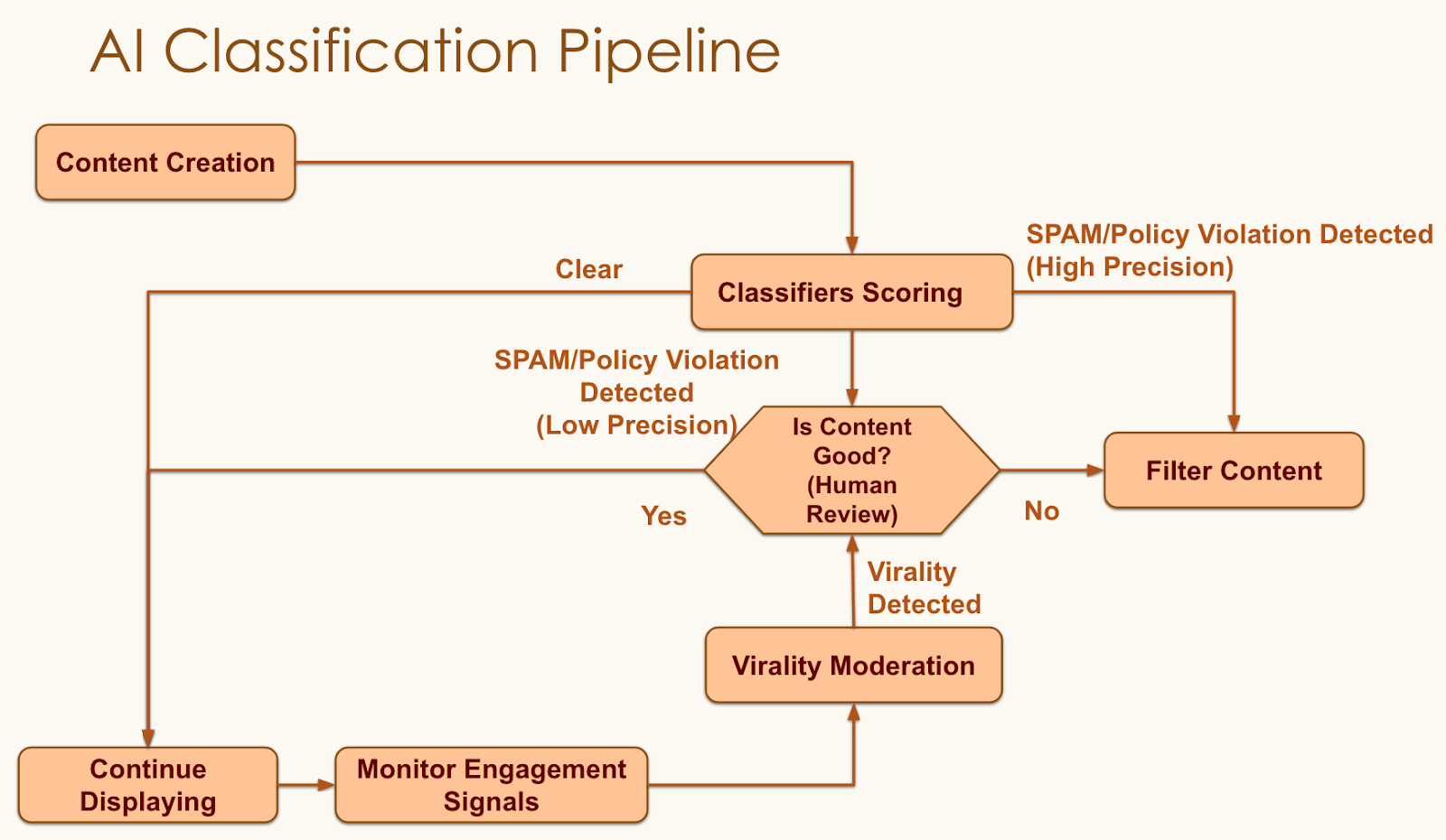
Native Is King: Formats That the Algorithm Loves
The 2026 LinkedIn algorithm strongly favors native content—anything that keeps users scrolling on LinkedIn rather than clicking away.
This includes:
- Text-only posts with a strong hook and clear storytelling
- Carousel posts, which encourage swiping (a.k.a. dwell time gold)
- Native videos, especially short, insightful ones with captions
- LinkedIn Newsletters, which offer recurring visibility
- Polls and interactive content, when used sparingly and strategically
External links?
Still a part of the mix, but LinkedIn now suppresses their reach unless they’re paired with high engagement or presented creatively (e.g., as a CTA after a valuable carousel).
Timing, Format, and Engagement Rate Matter More Than Ever
Posting at the right time still plays a role, but it’s not just about when you hit “publish.”
LinkedIn algorithm watches how quickly a post gets traction. If your audience engages within the first hour or two, LinkedIn assumes it’s worth showing to more people.
That means:
- Know when your audience is active (early weekday mornings are still solid for B2B)
- Encourage thoughtful comments, not just likes
- Reply to comments quickly to keep the conversation going
Also, mixing up your content formats keeps things fresh.
The LinkedIn algorithm loves creators who offer value in multiple ways—sometimes that’s a carousel breakdown, other times a punchy video or a behind-the-scenes post with a personal story.
Conversational > Corporate
Perhaps the biggest shift in LinkedIn content strategy for 2026? The rise of conversational content.
Think less “annual report,” more “coffee chat.”
The algorithm is prioritizing content that feels human, relatable, and real. Posts written in a conversational tone, using “I,” “you,” storytelling, and clear opinions, outperform the polished, jargon-heavy updates that feel like they came from a press release.
People want to engage with people, not logos. So when in doubt, write like you're talking to a peer, not pitching a boardroom.
What LinkedIn’s Algorithm Does Not Guarantee
Many LinkedIn recommendations are presented as universal algorithm rules when they are better treated as hypotheses.
Avoid building a strategy around secret weights, rigid engagement windows, or unexplained penalties. LinkedIn changes its ranking systems frequently, and most precise formulas circulating online cannot be independently verified.
⚙️ Don’t Just Learn the Algorithm, Use It
Our team turns LinkedIn’s latest algorithm changes into lead-generating momentum for your business.
LinkedIn Reach in 2026: What’s Working, What’s Not
If you've noticed a drop in post visibility lately, you're not alone.
LinkedIn reach in 2026 has become more selective, and the algorithm is making it clear: Not all content is created equal. The LinkedIn algo now favors substance over sales, and it’s reshaping what kinds of posts get traction.
Let’s break down what’s working, and what’s not.
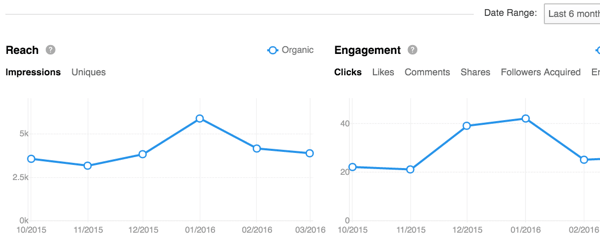
What’s NOT Working: Sales-Heavy Posts
Let’s rip the Band-Aid off—salesy content is losing steam.
Posts that feel like a pitch or scream “buy now” are getting buried. The 2026 algorithm is especially quick to suppress content that pushes products or services too aggressively without offering real value.
That doesn’t mean you can’t talk about your offerings. But if you lead with the hard sell, chances are you’ll see minimal reach.
LinkedIn wants to preserve the user experience, and in 2026, that means curbing overly promotional content that people tend to scroll past.
What IS Working: Storytelling, Case Studies & Real Narratives
What does the LinkedIn algorithm boost? Content that tells a story.
Posts rooted in real experiences, challenges, and lessons are thriving. Whether it’s a client success story, a personal career lesson, or a behind-the-scenes breakdown of a campaign, this kind of content is resonating and spreading.
Why?
Because it invites emotional connection. It gives context. It makes people stop and reflect. And most importantly, it sparks conversation, which is exactly what the algorithm is hunting for.
In B2B marketing, this is a golden opportunity.
👉 Turn that customer win into a story.
👉 Share what went wrong before something went right.
👉 Break down a process, don’t just showcase the result.
The more human and insightful your content, the more reach it’s likely to earn.
Here’s an example:
Engagement Velocity: The Secret Sauce of Distribution
Here’s something every marketer should know in 2026: Engagement velocity matters more than ever.
This refers to how quickly your post gets meaningful interactions—comments, shares, and reactions—after it’s published.
If your post gains early traction, the LinkedIn algo flags it as engaging and pushes it to more users. If it flops out of the gate, it’s unlikely to recover.
So what can you do?
✅ Post when your audience is most active
✅ Use strong hooks to stop the scroll
✅ Ask questions that invite responses
✅ Tag relevant people (strategically, not spammy)
✅ Reply to every comment to keep the engagement rolling
LinkedIn in 2026 rewards momentum. The faster your post builds interaction, the further it can travel.
Which Engagement Signals Matter on LinkedIn?
LinkedIn measures more than visible reactions. Public post analytics can include impressions, reactions, comments, reposts, saves, sends, profile viewers, followers gained, and link visits. (LinkedIn post analytics)
For B2B content, evaluate engagement according to business relevance:
- Comments: Did the post start a detailed conversation with the intended audience?
- Saves: Was the content useful enough for readers to keep?
- Sends: Did members share it privately with colleagues?
- Profile views: Did the post create interest in the person or company behind it?
- Followers gained: Did the topic attract people who want more of the same expertise?
- Qualified conversations: Did relevant prospects respond, connect, or enter an outreach conversation?
A post with fewer impressions can create more pipeline if it reaches a concentrated group of buyers. That is a better outcome than broad engagement from people who will never need the service.
Actionable LinkedIn Content Strategy for B2B Brands in 2026
A strong LinkedIn content strategy in 2026 isn’t about posting more, it’s about posting smarter.
With the algorithm becoming more intent-driven and engagement-focused, B2B brands need a clear, human-first approach to stay visible and relevant.
Follow a Weekly Content Rhythm That Drives Results
Consistency still matters, but variety is what keeps your audience engaged. In 2026, the best-performing LinkedIn B2B marketing strategies follow a rhythm that blends authority, authenticity, and evidence.
Here’s a weekly framework that’s working for many B2B brands:
- Monday: Thought Leadership
Share a big idea, industry trend, or opinion. Think bold takes, future predictions, or lessons from the field—content that positions your brand as a thinking partner. - Wednesday: Storytelling or Behind-the-Scenes
Show the human side. Share founder stories, employee experiences, or client journeys. The LinkedIn algorithm loves narrative content that gets people talking. - Friday: Proof-Based or Educational Post
Drop value. This could be a case study breakdown, a "how we did it" post, metrics from a campaign, or insights from your product data. Bonus if it’s visual (hello, carousels).
By keeping a consistent rhythm while mixing content types, you’re not just feeding the algorithm, you’re building trust and engagement with your audience over time.
Personal Profiles Drive Reach—But Company Pages Still Matter
If you're only posting from your company page, you're likely missing out. In 2026, personal profiles dominate reach on LinkedIn.
The algorithm gives more weight to individual voices over brand handles—because people engage more with people.
That said, your company page isn’t useless. It acts as a credibility anchor.
Use it for:
- Original posts that reinforce brand positioning
- Highlighting team content and resharing top-performing employee posts
- Hosting newsletters or events that build long-term community
The key is to treat your brand page as a hub, and your team’s personal profiles as spokes extending your reach.
Activate Employee Advocacy (It’s Your Secret Weapon)
Employee advocacy is no longer a “nice to have.” In 2025, it’s a powerful tool for extending reach and driving engagement.
Why?
Because the LinkedIn algorithm amplifies posts that come from trusted, active profiles—and employees often have closer, more engaged networks than brand pages do.
Here’s how to activate it:
- Make it easy: Share pre-written post templates or suggested talking points.
- Celebrate contributors: Highlight team members who post regularly and add value.
- Align messaging: Ensure employees know the company’s content pillars, tone, and key narratives.
When done well, employee advocacy adds authenticity to your message—and dramatically improves the visibility of your LinkedIn B2B marketing efforts.
How to Optimize Your LinkedIn Profile to Align with the Algorithm
Here’s something B2B marketers often overlook: your LinkedIn profile isn’t just a digital resume, it’s part of your content strategy.
In 2026, the LinkedIn algorithm pays close attention to how complete, engaging, and interactive your profile is. And guess what? That directly affects your LinkedIn reach.
If you’re serious about LinkedIn B2B marketing, it’s time to treat your profile like a landing page designed for discovery, credibility, and conversion.
Start with a Keyword-Rich Headline and About Section
Your headline and About section do more than describe who you are—they help you get found.
The algorithm indexes your profile just like a search engine would, so optimizing these sections with relevant keywords is a must. Think beyond your job title. Include phrases your ideal audience might search for, like:
- B2B SaaS Marketing Strategist
- Helping Startups Scale Through LinkedIn Thought Leadership
- Demand Gen | LinkedIn B2B Marketing | ABM Expert
Your About section should read like a story, not a brochure. Use it to highlight what you do, who you help, and the results you’ve driven—sprinkled with keywords that reinforce your niche and value proposition.
Use the Featured Section and Creator Mode to Your Advantage
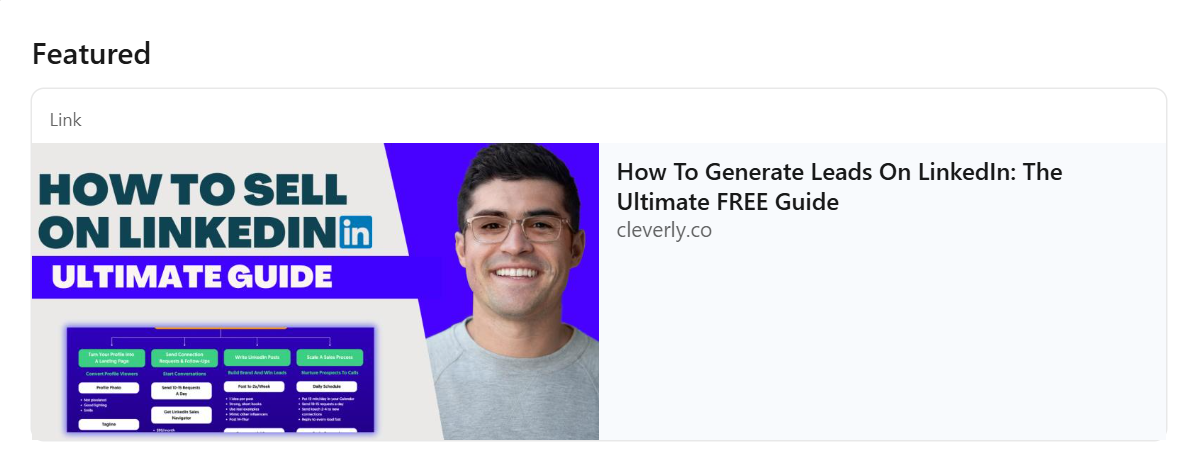
LinkedIn’s Featured section is prime real estate, yet many profiles leave it empty or outdated. In 2026, this area is key to capturing attention and keeping users on your profile—something the algorithm notices.
What to showcase:
- Top-performing posts
- Lead magnets (PDFs, webinars, guides)
- Case studies or testimonials
- Your best thought leadership content
Turn on Creator Mode if you haven't already. This unlocks features like the Follow button, Topic hashtags, and better analytics—all of which help position you as an authority in your space.
Engagement Signals Matter: Don’t Just Post, Interact
One of the lesser-known ways your profile influences LinkedIn reach is through your behavior on the platform.
The algorithm tracks engagement signals tied to your profile—things like:
- How often you comment on others’ posts
- The quality and frequency of those comments
- When people visit your profile and engage with your content
- How often your posts get reposted (with or without commentary)
This means being active across LinkedIn, not just pushing content, but participating in conversations, can directly improve how often your own content is shown.
It’s not about gaming the system. It’s about being genuinely present on the platform and using your profile as both a hub and a conversation starter.
How to Test and Improve LinkedIn Algorithm Performance
Do not judge the algorithm from one post. Review performance across a four-to-six-week testing period so individual topics, posting times, and formats do not distort the result.
Step 1: Choose Two or Three Content Pillars
Select subjects closely tied to your expertise and the problems your target buyers discuss. Repeating coherent themes helps readers understand why they should follow you and gives LinkedIn clearer context about your content.
Step 2: Establish a Baseline
Record impressions, reactions, comments, saves, reposts, sends, profile views, and followers gained for recent posts. If LinkedIn is part of a sales motion, also record connection requests, replies, meetings, and opportunities influenced by content.
Step 3: Change One Variable at a Time
Test one format, hook style, publishing window, or call to action while keeping the rest of the post comparable. Changing everything at once produces a different post, not a useful test.
Step 4: Review Audience Quality
Check whether the people engaging match your target roles, industries, and account types. Ten comments from ideal prospects provide more useful feedback than 100 reactions from an unrelated audience.
Step 5: Repeat What Creates Meaningful Action
Build follow-up posts around subjects that generate saves, detailed comments, profile visits, and qualified conversations. Retire topics that repeatedly earn impressions but no deeper action.
The Role of LinkedIn Ads in Navigating Organic Algorithm Limits
Let’s face it—while LinkedIn B2B marketing still thrives on organic content, the 2026 algorithm has made it harder to reach your entire audience without some level of paid support.
If you're noticing a plateau in your post visibility, it's not just you. The platform is drawing a clearer line between organic and paid distribution—and understanding where that line is can help you navigate it strategically.

Organic vs. Paid: Where the Algorithm Draws the Line
In 2026, organic content is still the foundation of trust and engagement. But the LinkedIn algorithm favors quality and connection relevance over sheer volume.
That means even great content can hit a ceiling if it doesn’t spark early interaction or resonate with LinkedIn’s engagement signals (like dwell time and conversation depth).
Enter paid ads.
LinkedIn Ads allow you to bypass the organic bottleneck—but only when used strategically.
Sponsored content doesn’t guarantee attention; it just guarantees distribution. The content still needs to perform once it’s in front of your audience.
The bottom line? Organic builds credibility. Paid amplifies it. The best B2B brands on LinkedIn are using both in tandem.
Blending Paid Campaigns with Organic Posts
To make the most of your budget and your LinkedIn B2B marketing efforts, aim for a hybrid strategy. Here’s how to do it:
- Start with organic: Test your messaging with organic posts. Look for signs of natural engagement—comments, shares, profile views.
- Promote proven performers: Turn high-performing organic posts into sponsored content. These already have algorithm validation, which increases their chances of success in paid distribution.
- Target with precision: Use LinkedIn’s advanced targeting to reach decision-makers by job title, company size, industry, or even specific accounts.
- Keep messaging consistent: Sync your organic content themes with your paid campaigns to create a seamless narrative across touchpoints.
This blend not only increases reach but also reinforces your message across both warm (organic) and cold (paid) audiences.
Use Ad Analytics to Fuel Your Content Strategy
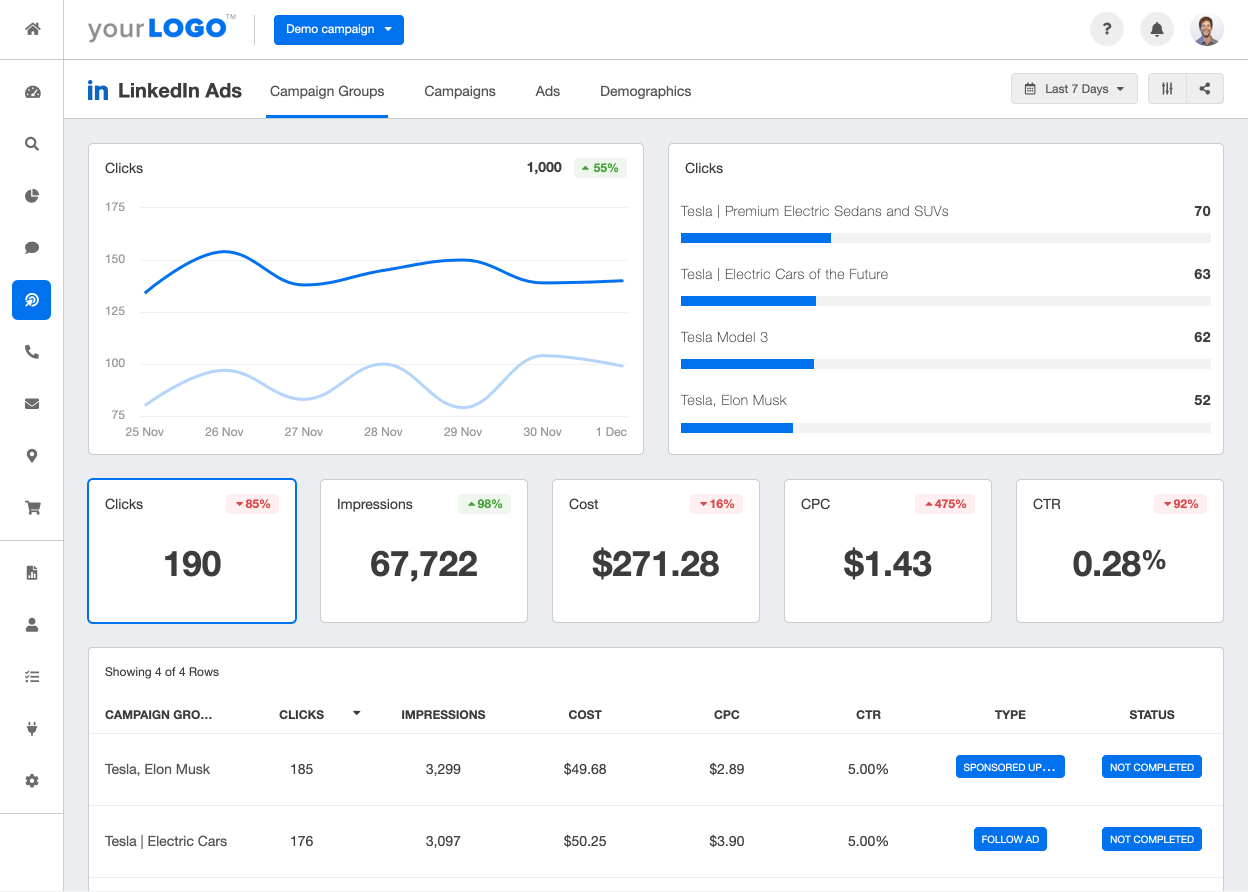
Here’s a pro move: Don’t just treat LinkedIn Ads as a lead-gen engine—treat them as a content lab.
LinkedIn ad analytics give you a goldmine of insights, including:
- Which headlines and formats are driving the most clicks.
- What messages are resonating by industry or seniority level.
- Which content leads to conversions, not just impressions.
Feed these learnings back into your organic strategy. If a certain ad angle is getting traction with marketing leaders, turn that theme into a LinkedIn carousel, poll, or thought leadership post.
Paid content informs organic. Organic content earns trust. Together, they form a full-funnel LinkedIn B2B marketing machine.
Tools & Metrics to Monitor Your LinkedIn Performance in 2026
If you're serious about LinkedIn B2B marketing in 2026, tracking what’s working (and what’s not) is non-negotiable. With the LinkedIn algorithm getting smarter, real-time data is your best friend for improving LinkedIn reach and refining your strategy.
LinkedIn’s Built-In Analytics: Start Here
Whether you’re posting from a personal profile or a company page, LinkedIn’s native analytics have become much more robust in 2025.
Here’s what to keep an eye on:
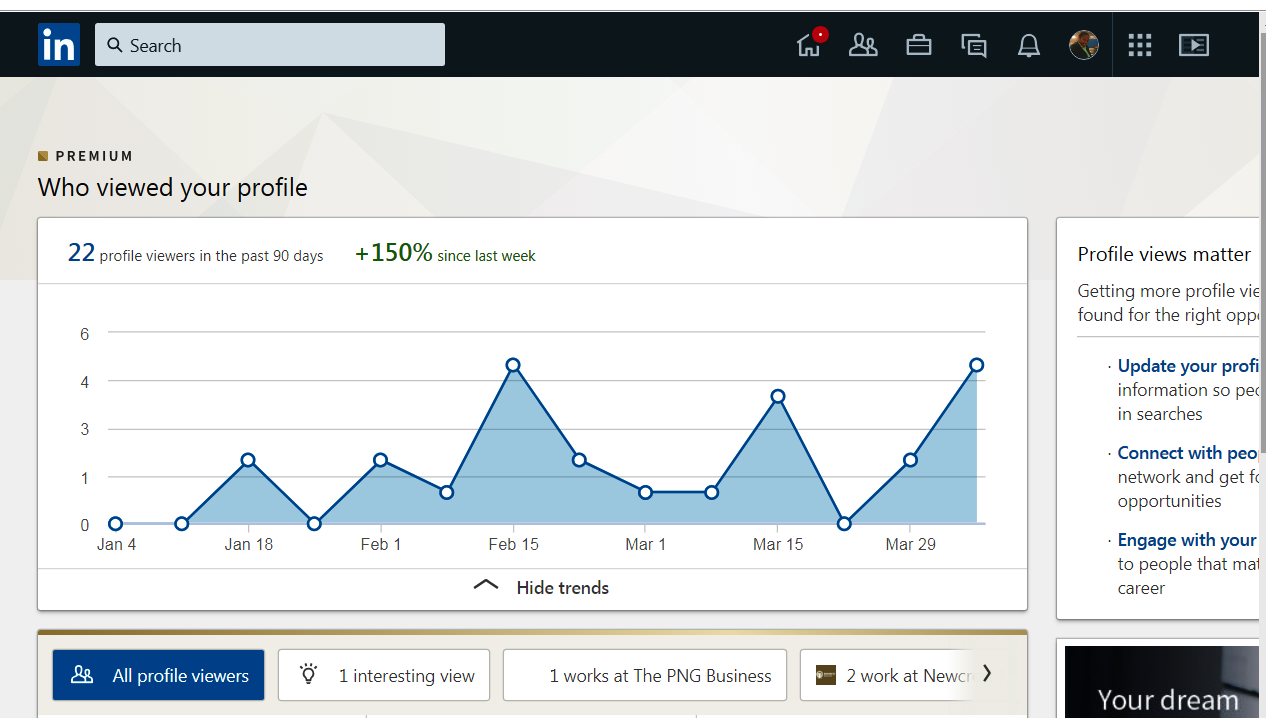
- Impressions & Reach: Shows how many people saw your post—and how far it traveled
- Engagement Rate: Tracks likes, comments, shares, and saves as a percentage of views
- Profile Views: Often a leading indicator of content resonance
- Follower Demographics: Understand who you’re attracting by role, industry, and location
- Content Interactions: Drill down by post to see what type of content is resonating most
These insights help you reverse-engineer your wins and fine-tune your content strategy to align with what the algorithm (and your audience) wants.
Bonus for Cleverly Clients: A Smarter Way to Automate & Measure
When you work with Cleverly, you don’t just get expert-led LinkedIn lead generation—you get access to a powerful automation platform built exclusively for our clients.
It’s designed to streamline outreach and maximize performance, all while keeping things personalized and efficient.
Here’s what you get under the hood:
- Automated Outreach: Send up to 500 targeted connection requests per month—no more manual prospecting
- Multichannel Campaigns: Combine LinkedIn and cold email for double the visibility
- Follow-Ups That Work: Schedule up to 2,000 LinkedIn follow-up messages monthly that feel natural and non-spammy
- Direct InMail Access: Send up to 800 InMails per month—even to non-connections
- Advanced Performance Dashboards: Monitor real-time metrics like response rate, acceptance rate, and campaign health
- AI Inbox Management: Organize and manage replies in one smart, centralized inbox
- Prospecting via Groups & Events: Tap into up to 1,000 hyper-targeted prospects in LinkedIn Groups and Events
Unlike off-the-shelf tools, this platform is built to scale LinkedIn B2B marketing the right way, automated, optimized, and always aligned with the latest algorithm changes.

Turn LinkedIn Visibility Into Qualified Sales Conversations
Understanding the LinkedIn algorithm can improve visibility, but impressions do not become pipeline on their own. B2B teams still need a defined audience, a credible profile, useful content, relevant outreach, and a clear process for handling replies.
Cleverly’s LinkedIn lead generation service connects those parts of the sales motion. The team identifies qualified decision-makers, writes personalized campaigns, manages outreach, and routes positive responses to your sales team.
Cleverly reports 224,700 client leads, $312 million in client pipeline, and $51.2 million in client revenue across more than 10,000 clients. Those outcomes came from targeting and conversations, not from chasing empty engagement.
👉 If you're interested in generating qualified B2B leads through LinkedIn, book a strategy call with our LinkedIn experts.

Conclusion
LinkedIn’s algorithm is a personalized recommendation system, not a checklist that awards guaranteed reach. It evaluates the viewer, the author, the subject, their relationship, and how members respond to the content.
The practical strategy is to publish specific professional insight for a defined audience. Make your expertise clear, invite genuine discussion, review the quality of the people engaging, and test patterns across multiple posts.
Do not mistake impressions for commercial progress. The strongest LinkedIn programs connect useful content with a targeted network and thoughtful outreach, turning visibility into conversations with people who can actually buy.
Frequently Asked Questions
Free Resource
How to Scale a Profitable Cold Call System
Get the complete guide — download it instantly now.
Free Ebook
Download the Free Guide
Enter your details to get instant access.
You're all set! 🎉
Your ebook is downloading now.
Click below if the download didn't start automatically.