Table of Contents
What Is Cold Calling?
What Is Warm Calling?
Cold Calling vs Warm Calling — Key Differences
When to Use Cold Calling vs Warm Calling
Benefits of Cold Calling and Warm Calling (with Data)
How to Turn Cold Calls into Warm Calls
Proven Best Practices for Cold & Warm Calling Success
How Cleverly Combines Cold & Warm Calling for B2B Success
Conclusion
Frequently Asked Questions
Modified On :
August 28, 2026
Key Takeaways
- Cold calling reaches new prospects with no prior contact, while warm calling follows up with those who've already engaged with your brand.
- Warm calls convert at 10x higher rates than cold calls (20% vs. 2% meeting rates), but cold calling fills pipelines faster in new markets.
- The winning strategy combines both: use cold outreach to create awareness, then follow up with warm calls to convert.
- Turn cold prospects into warm ones by engaging on LinkedIn, sending valuable content, and creating touchpoints before you dial.
- Track metrics that matter: calls made, connect rates, meetings booked, and conversion rates to optimize your approach.
- Whether cold or warm, personalization and the first 15 seconds determine if prospects listen or hang up.
You've got a list of prospects sitting in your CRM. Your quota is staring you down.
Now comes the million-dollar question: do you pick up the phone and start dialing cold, or do you spend weeks warming them up first?
If you've ever felt stuck between cold calling vs warm calling, you're not alone. We've seen thousands of B2B sales teams wrestle with this exact decision.
Some swear by the direct approach of cold calling, claiming it's the fastest path to conversations. Others argue that warm calling is the only way to avoid getting hung up on in the first 10 seconds.
Here's the truth: both strategies work, but they work differently. The real question isn't which one is better—it's which one fits your sales motion, your timeline, and your team's strengths.
In this guide, we're breaking down cold vs warm calling with real numbers, practical insights, and zero fluff.
We'll show you when to use each approach, how they actually perform in B2B sales, and how to decide which one deserves your team's time and energy.
No theory, just what actually works in the field.
What Is Cold Calling?
Simply put, cold calling is reaching out to prospects who've never heard of you, your company, or your product.
There's no prior relationship, no website visit, no email open—just you, your phone, and a list of people who might need what you're selling.
The goal of cold calling isn't to close deals on the first call. We're looking to generate interest, qualify whether the prospect is worth pursuing, and book meetings with decision-makers who actually have the budget and authority to buy.
How cold calling typically works:
- Direct phone calls to prospects using their business numbers
- Automated dialers (like power dialers or predictive dialers) to increase call volume
- Outbound-only motion—you're initiating every conversation
What makes cold calling different:
High volume, low familiarity.
You're dialing dozens (sometimes hundreds) of prospects daily, and most of them don't know you exist.
That means you need a strong opening pitch that grabs attention in the first 10 seconds, plus the resilience to handle rejection without losing momentum.
Cold calling is pure outbound prospecting. There's no inbound interest to lean on, no referral to mention, no "I saw you downloaded our whitepaper" opener.
It's just you creating demand from scratch—which is exactly why it works when done right.
🚀 Book 10-30 Sales Calls Per Month, Guaranteed
Our trained SDRs handle cold + warm calling so you don't have to. Half the cost of in-house, 100% of the results. Get started now.
What Is Warm Calling?
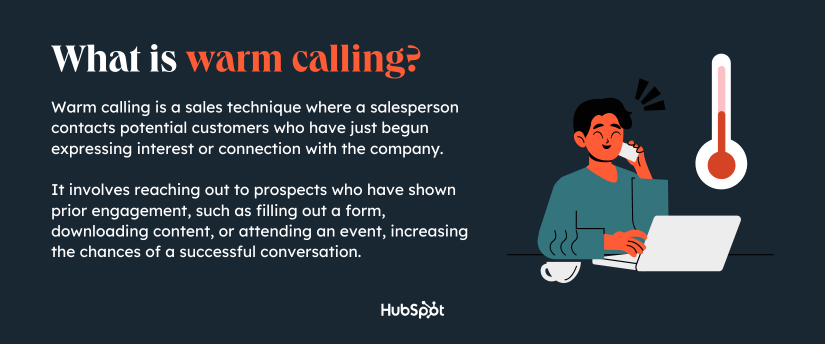
Warm calling when you call a prospect who already knows who you are. Maybe they visited your website last week, connected with you on LinkedIn, downloaded your case study, or got referred by a mutual contact.
Warm calling sits in the sweet spot between cold outreach and inbound sales.
The prospect isn't necessarily raising their hand asking for a demo, but they've shown some signal that they're aware of your brand or interested in what you do.
Common scenarios for warm calls:
- Following up after a prospect opens your cold email or engages with your LinkedIn message.
- Calling someone who downloaded gated content or attended a webinar.
- Reaching out to referrals from existing customers or mutual connections.
- Contacting prospects who've visited your pricing page or key product pages.
What makes warm calling different:
Familiarity breeds receptivity.
When you mention "I'm following up on the email I sent last week" or "Sarah from Company X suggested I reach out," you're not starting from zero. The prospect has context, which typically means fewer hang-ups and more productive conversations.
Warm calling combines marketing and sales efforts. Your marketing team creates touchpoints (emails, content, ads), and your sales team capitalizes on the engagement.
It's a coordinated play rather than a solo effort—and that coordination usually means higher connection rates and better conversations right out of the gate.
What Is Hot Calling?
There's a third category most cold vs warm calling conversations skip entirely: hot calling.
Hot calling is calling a prospect who's already expecting to hear from you. They filled out a demo request. They raised their hand at a webinar. They replied to your email saying "yes, let's find time." Or a mutual contact already made the introduction and told them you'd be calling.
The intent is already there before you dial. That's what makes it hot.
Why the distinction actually matters:
Cold, warm, and hot calls need completely different openers. A hot call opener like "You requested we follow up after the webinar" falls flat on a cold prospect who's never heard of you. Flip it around and a cold-style pitch on a hot lead feels tone-deaf, like you didn't notice they already raised their hand.
Knowing which type of call you're making before you pick up the phone should shape your entire approach, not just your first line.
Examples of hot calls:
- Following up on a demo request within minutes of it landing in your CRM.
- Calling a prospect who replied "yes, let's chat" to your email.
- Reaching out to a referral where the mutual contact already told them to expect your call.
Speed is the whole game with hot leads.
Research from MIT and Harvard Business Review found that responding to a new lead within 5 minutes makes you 100 times more likely to make contact and 21 times more likely to qualify the lead compared to waiting even 30 minutes. Wait an hour and your odds of ever qualifying that lead drop even further.
Always call before you email on a hot lead. They're expecting immediate follow-through, and every extra minute you wait is a minute a faster competitor uses to get there first.
Build a pipeline temperature system.
Tag every lead in your CRM as Cold, Warm, or Hot, and route each one differently. Different scripts. Different follow-up timing. Different SDR priority.
A hot lead sitting in a general queue for 24 hours isn't a missed opportunity, it's a lost one. Somebody else closes it first.
Cold Calling vs Warm Calling — Quick Comparison
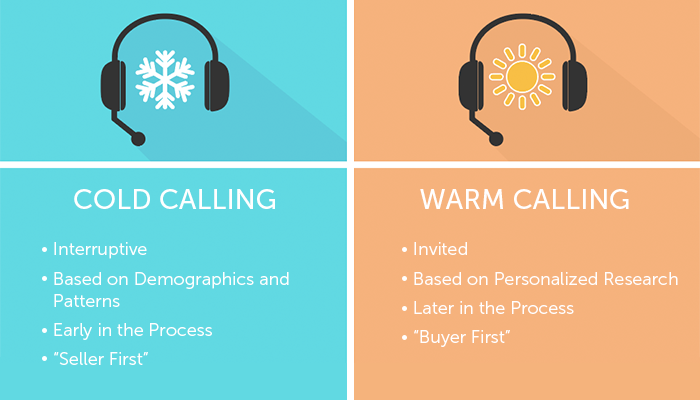
Here’s a quick comparison for cold vs warm calling:
🔥 1M+ Calls Made. 53K Meetings Booked. $312M Pipeline Generated.
Stop choosing between cold and warm calling. Our proven system does both and guarantees qualified appointments. See how it works.
When to Use Cold Calling vs Warm Calling
The warm call vs cold call debate isn't about picking one and abandoning the other. It's about knowing when each approach makes the most sense for your pipeline.
Use Cold Calling When:
1. You're entering new markets or targeting new accounts.
When you're breaking into a territory where nobody knows your brand, cold calling gets you in front of decision-makers fast. Waiting for inbound interest in a brand-new market? You'll be waiting a long time.
2. You need to test messaging quickly.
Cold calls give you immediate feedback on what resonates. Make 50 calls with one pitch, tweak it, make 50 more. You'll learn more in a week than you would from a month of A/B testing emails.
More to Check: Cold Calling Scripts That Actually Work (With Examples)
3. You're expanding top-of-funnel volume.
If your pipeline is thin and you need more conversations now, cold calling fills the funnel faster than any other channel. It's direct, it's scalable, and it doesn't rely on prospects finding you first.
Use Warm Calling When:
1. You're following up on email or LinkedIn engagement.
Someone opened your email three times or accepted your LinkedIn connection? That's your signal. Warm calling these engaged prospects converts at a much higher rate than pure cold outreach.
2. You're working inbound inquiries or referrals.
When a prospect fills out a form or gets recommended by a customer, they're expecting your call. These are the easiest conversations you'll have—don't let them go cold.
3. You're reconnecting with lapsed customers or old leads.
Previous relationship? Past purchase? Demo from six months ago? These prospects already know what you do, making them perfect candidates for warm calling.
The Winning Play: Combine Both
Here's what actually works in B2B: cold outreach → engagement → warm follow-up.
You're not choosing between cold vs warm calling—you're using cold tactics to create warm opportunities.
Example sequence we see working consistently:
- Cold email introduction to get on their radar.
- LinkedIn connection request with a personalized note.
- Follow-up call 2-3 days later referencing your previous message: "Hey, I'm the one who emailed you about [specific pain point]..."
This approach turns a cold prospect into a warm one before you ever dial. Your connect rates jump, conversations last longer, and you're not fighting uphill just to get past "Who is this?"
Benefits of Cold Calling and Warm Calling (with Data)
Let's cut through the opinions and look at what cold calling vs warm calling actually delivers. Both have real advantages—and real numbers to back them up.
Cold Calling Benefits
Expands your market reach fast.
You're not waiting for prospects to discover you. Cold calling puts you in front of companies that would never find you organically, especially in competitive or crowded markets where your SEO and ads aren't cutting through yet.
Train your SDRs to handle real objections.
There's no better training ground than cold calls. Your reps learn to think on their feet, handle pushback, and refine messaging based on what prospects actually say—not what you think they'll say.
Explore Further: How SDRs Fuel Your Sales Pipeline: Role, Process & Best Practices
Builds brand awareness in new sectors.
Even when prospects don't convert immediately, cold calling gets your name out there. We've seen prospects who said "not interested" in January come back in Q3 because they remembered the conversation.
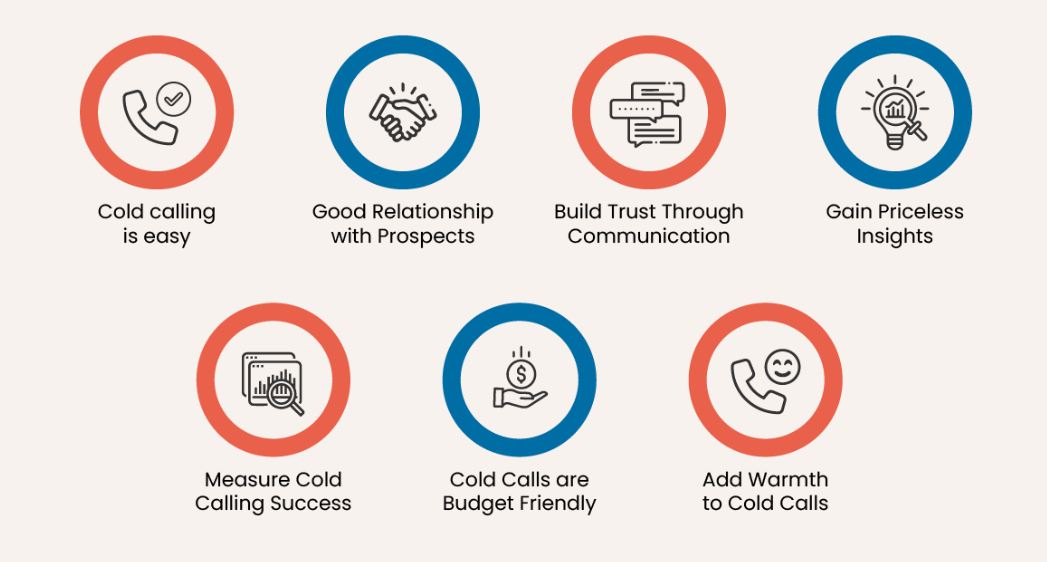
It's the fastest feedback loop in B2B outbound.
One hour of dialing teaches you more about what messaging lands, which objections come up most, and which pain points actually matter to buyers than a month of email A/B testing ever will. Nothing else gives you that speed of signal.
It builds skills email never will.
Handling rejection, adjusting tone mid-call, getting past a gatekeeper, recovering from a flat opener. These only develop live, on the phone. Reps who run email-only sequences tend to be sharp writers but underprepared the moment a real prospect pushes back on a demo call.
It builds brand recognition that compounds.
Prospects who've had a cold call from your company are more likely to recognize your name later, whether that's opening your emails or noticing your ads. Even an unreturned voicemail is a touchpoint that adds up over time.
It's the fastest way into a brand-new market.
Launching in a new geography, vertical, or segment with zero existing awareness? Inbound and email nurture can take six to twelve months to build traction. Cold calling gets you into conversations on day one, and that speed is hard to replace with any other channel.
The ROI case holds up.
Cost per meeting runs higher for cold calling than cold email, typically $400 to $1,200 for manually-dialed calls versus $40 to $150 for cold email. But for enterprise deals and high-ticket B2B sales, live conversations close at higher rates than email-originated leads, so the pipeline quality often justifies the higher cost per touch.
Warm Calling Benefits
Shortens sales cycles significantly.
When prospects already know who you are, you skip the "convince me you're legitimate" phase. Warm calling moves deals from first call to close faster because trust is already partially established.
Higher trust and response rates.
Familiarity matters. Prospects are more likely to pick up, stay on the line, and actually engage when they recognize your name or remember the email you sent.
Better alignment with ABM and inbound efforts.
Warm calling is where your marketing investment pays off. When marketing generates engagement and sales follows up fast, you maximize ROI on every dollar spent on content, ads, and campaigns.
The Numbers Don't Lie
Here's what we see across thousands of B2B sales campaigns:
- Cold calls typically convert at around 2% meeting rate (connecting with the right person and booking a qualified meeting).
- Warm calls jump to roughly 20% meeting rate—that's 10x better conversion when familiarity exists.
- Multi-touch sequences (combining cold outreach with warm follow-up) can deliver up to 3x higher ROI compared to cold-only or warm-only approaches.
The takeaway? Cold calling vs warm calling isn't an either-or decision. Cold fills your pipeline and creates awareness.
Warm converts that awareness into meetings. The best sales teams use both strategically, not religiously stick to one.
Compare: Cold Calling vs Cold Emailing - What's Best for B2B Sales
How to Turn Cold Calls into Warm Calls
The smartest move in B2B sales? Don't wait for prospects to warm themselves up. You can actively turn cold prospects into warm ones before you ever dial their number.
This is where warm calling stops being about luck and starts being a repeatable system.
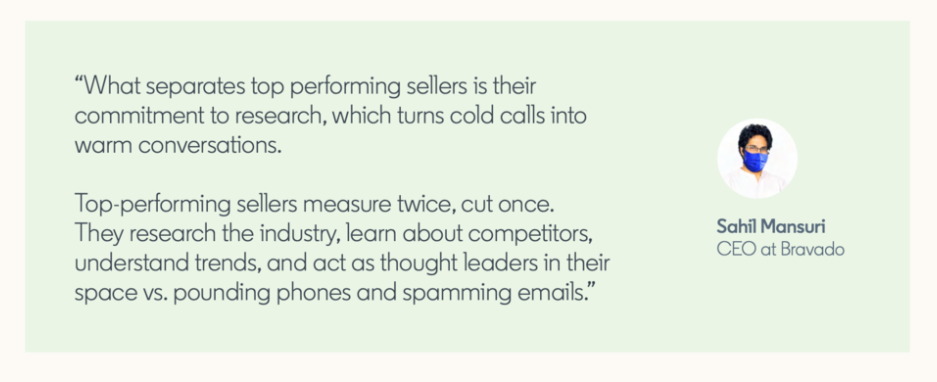
The Pre-Call Warming Strategy
Before you call a cold prospect, invest 5-10 minutes creating familiarity. This isn't about manipulation—it's about being on their radar so when you call, you're not a complete stranger.
Techniques that actually work:
👉 Engage on LinkedIn first. Like a recent post, leave a thoughtful comment, or send a connection request with a personalized note.
When you call two days later and say "I'm the one who commented on your post about sales automation," you've already got context.
👉 Send value before you ask for anything. Share a relevant article, case study, or insight via email that directly relates to their industry or role. No pitch, just "thought you'd find this useful." When you follow up with a call, you're the person who helped them, not just another vendor.
👉 Reference mutual connections or shared interests. Check if you have common LinkedIn connections, attended the same conference, or work in similar industries.
Opening with "I saw we both know Sarah at Acme Corp" instantly shifts the dynamic from cold to warm.
👉 Use your CRM to time follow-ups intelligently. If a prospect opened your email, visited your pricing page, or engaged with your content, that's your signal to call.
Real Example
Let's say you're targeting a VP of Sales at a tech company. Here's how to warm them up:
Day 1: Comment on their LinkedIn post about pipeline management: "Great point about forecast accuracy—we've seen similar patterns with our clients in SaaS."
Day 3: Send a brief email referencing the post and sharing a relevant case study.
Day 5: Call and open with: "Hey, I'm the one who commented on your LinkedIn post about forecasting. Wanted to follow up on the case study I sent..."
You just turned a cold call into warm calling—and your connect rate will show it. The prospect recognizes you, remembers the value you shared, and is far more likely to take the conversation seriously.
Warm Calling Tools: What RB2B, Warmly, and Intent Platforms Actually Do
Everything above works, but it takes a rep manually engaging on LinkedIn, sending an email, then timing a call. There's a whole category of software built to do the same warming job automatically, at a scale no rep could hit by hand.
Website visitor identification and intent data tools tell you which companies are on your site right now, before they ever fill out a form. That's a warm lead pipeline running on autopilot.
RB2B
RB2B matches anonymous website visitors to individual LinkedIn profiles and drops them straight into Slack in real time. If you're a B2B SaaS or service company with steady site traffic, this turns anonymous visits into named warm call targets within minutes.
The free tier gives 150 identification credits a month with LinkedIn profiles included, so you can test whether it's worth building a workflow around before spending anything.
Warmly
Warmly goes a step further. It identifies visitors, enriches them with firmographic and contact data, and can automatically alert the right sales rep to engage at the moment of highest interest across chat, email, and LinkedIn at once.
If you're running ABM and want warm outreach coordinated across channels the second a target account hits your site, rather than triggered manually, this is built for that.
6sense and Bombora (third-party intent)
These flag companies actively researching topics tied to your solution across the wider web, not just your own site. Useful if you want to prioritize warm calls to accounts showing buying intent before they ever visit your domain.
How this fits into a warm calling workflow:
- Visitor gets identified and lands in Slack or your CRM
- SDR checks which pages they viewed and pulls their contact details
- SDR builds a personalized opener around what they were actually looking at
- Call happens within the hour, while intent is still highest
None of this replaces the manual warming techniques above. It just gives your team a bigger list of warm targets to work with the same day.
Proven Best Practices for Cold & Warm Calling Success
Whether you're leaning into cold calling vs warm calling, these fundamentals separate reps who hit quota from those who struggle.
We've made over 1 million cold calls and set 53,000+ appointments—here's what actually moves the needle.
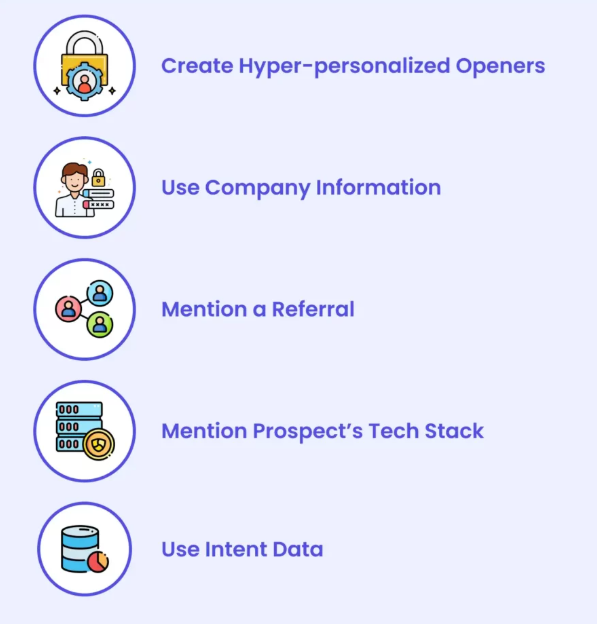
Personalize Every Call
Generic openers kill conversations before they start. Spend 30 seconds researching before you dial—check their LinkedIn, recent company news, or job changes.
Reference something specific: "I saw you just expanded into the Chicago market" or "noticed your team is hiring three new account executives."
This works for both cold and warm calling because it proves you're not reading from a script meant for everyone.
Master the 15-Second Hook
You've got 15 seconds before prospects decide whether to listen or hang up. Skip the pitch.
Open with a value statement that connects to their world: "We help sales teams like yours book 20-30 qualified meetings per month without adding headcount" beats "Hi, I'm calling from Cleverly to tell you about our services." Lead with what they get, not who you are.
Read More: Best Cold Call Opening Lines to Nail the First 15 Seconds (With Examples)
Ask Open-Ended Questions
Stop talking at prospects and start uncovering what they actually care about. Ask questions like "What's your biggest challenge with outbound right now?" or "How are you currently handling lead generation?"
These questions reveal pain points early and give you ammunition to make your solution relevant. Works especially well in warm calling where prospects are already slightly engaged.

Focus on Active Listening
Here's the rule: 70% listening, 30% talking. When prospects talk, they tell you exactly how to sell to them—but only if you're actually listening. Take notes on specific words they use, problems they mention, and goals they care about.
Then mirror that language back when positioning your solution. This discipline matters whether you're handling cold calling or following up on warm leads.
Use CRM Notes to Continue Warm Conversations
Every call should feed the next one. Log details in your CRM: objections they raised, timelines they mentioned, names of other stakeholders.
When you call back in two weeks, you pick up exactly where you left off instead of starting over. This is how you maintain warm calling momentum even with prospects who need multiple touches to convert.
Track Metrics That Matter
You can't improve what you don't measure. Monitor these KPIs relentlessly:
- Calls made (volume drives everything)
- Connect rate (actual conversations with decision-makers)
- Meetings booked (qualified appointments, not tire-kickers)
- Conversion rates (meetings to opportunities to closed deals)
These numbers tell you whether your cold calling vs warm calling mix is working—and where to adjust when it's not.
We track every single metric across our campaigns, which is how we guarantee 10-30 appointments per month for our clients.

How Cleverly Combines Cold & Warm Calling for B2B Success
If you're struggling to balance volume and personalization, here's the reality: most teams can't do both well. You either sacrifice quality for quantity, or you move so slowly that your pipeline stays empty.
That's where working with a cold calling agency that actually understands both strategies makes the difference.
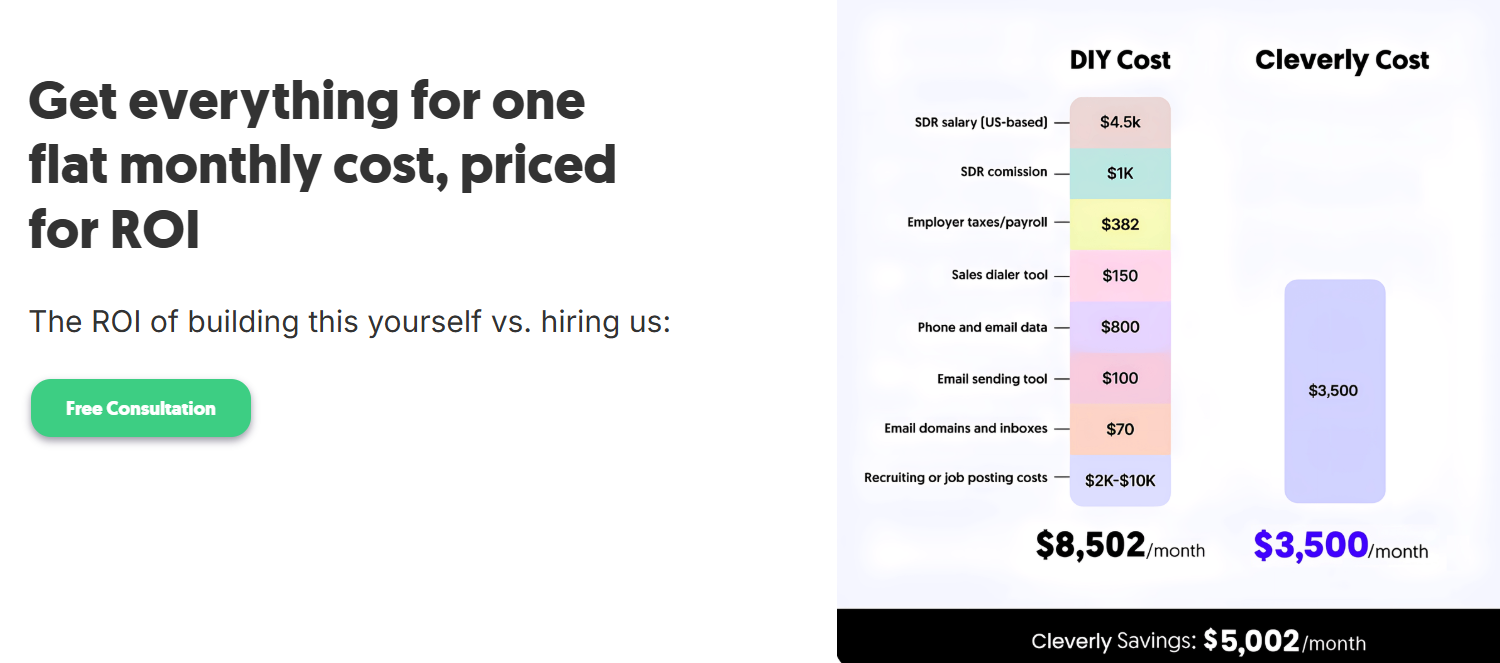
Our $5M Cold Calling System
We've built a system that books 10-30 qualified sales calls every month, guaranteed. Here's what's included:
- No-accent appointment setter placed on your team
- Breakthrough call scripts written specifically for your offer
- Data, tech, and power dialer included
- Half the cost of building this in-house
- Guaranteed appointments or we replace the SDR
The results speak for themselves:
- 1M+ cold calls made
- 53K appointments set
- $312M in pipeline generated for clients
Whether you need pure cold calling to break into new markets or a warm follow-up engine to convert engaged leads, we've got the playbook, the people, and the proof that it works.
Conclusion
So, cold calling vs warm calling—which one wins? The truth is, both do when you use them strategically.
The real question isn't which strategy is better. It's whether you have the time, team, and system to execute both consistently.
If you're tired of choosing between volume and conversion, or struggling to balance cold outreach with warm follow-up, that's exactly what we built Cleverly to solve.
Ready to book 10-30 qualified sales calls per month without the hiring headaches?
Our $5M cold calling system combines trained SDRs, proven scripts, and multi-channel sequences to deliver guaranteed appointments.
Let's talk about filling your pipeline!
Frequently Asked Questions
Free Resource
How to Scale a Profitable Cold Call System
Get the complete guide — download it instantly now.
Free Ebook
Download the Free Guide
Enter your details to get instant access.
You're all set! 🎉
Your ebook is downloading now.
Click below if the download didn't start automatically.